- Your cart is empty Browse Shop
In light of rising energy costs, freshness requirements, and environmental challenges, optimizing logistics is no longer a luxury but a necessity for players in the food industry. MPACONR, an expert in distribution, reveals the strategies for making your supply chain more efficient and profitable.
The first area for optimization is the transportation pooling. Pourquoi multiplier les tournées quand on peut les regrouper ? La mutualisation consiste à massifier les flux en regroupant les marchandises de plusieurs fournisseurs dans un même véhicule. Cela permet de réduire les coûts de transport par unité, de diminuer le nombre de camions sur les routes (et donc l’empreinte carbone), et d’offrir un service plus régulier aux points de vente.
The second lever is the process digitization. Long held back by manual processes, companies that adopt integrated management solutions (such as Supply Chain Orchestrators) gain greater visibility. The ability to track inventory in real time, anticipate demand using AI, and detect risks before they lead to stockouts are major competitive advantages. Data enables a shift from a reactive approach to a predictive one.
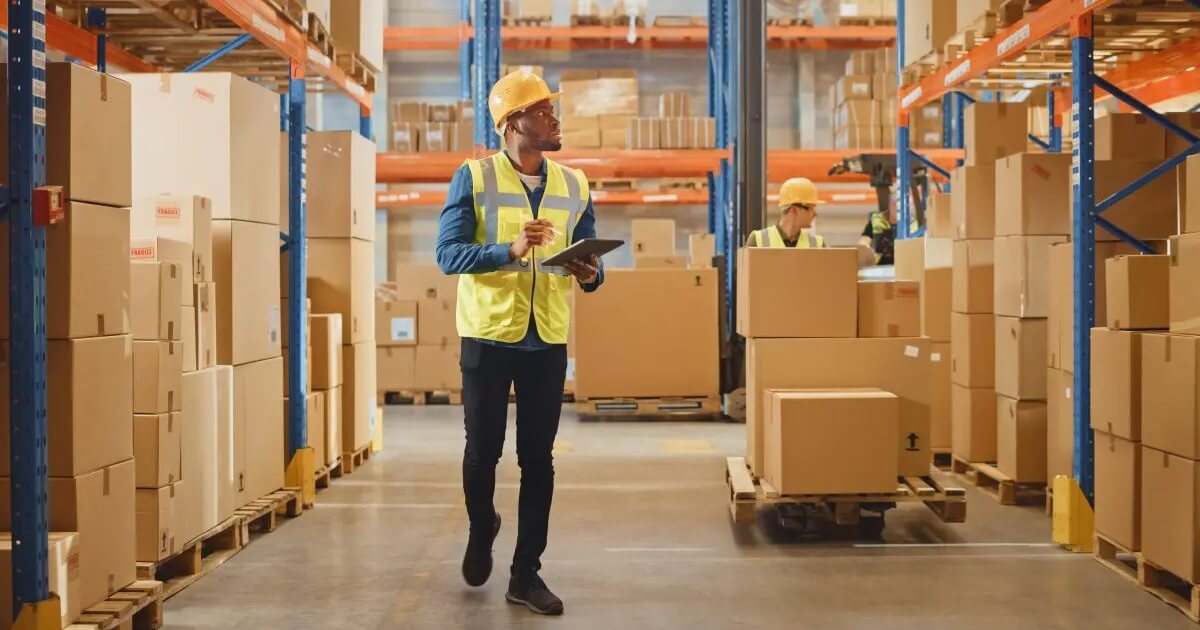
“Efficient Logistics: The Keys to Optimizing Your Food Distribution”
Optimizing logistics means combining economic competitiveness with environmental performance. At MPACONR, we implement these innovative solutions for our clients every day.
Ready to optimize your supply chain? Parlons de vos objectifs logistiques dès aujourd’hui.